To live in Lagos State is to love her. Yet, in Africa’s fastest-growing megacity, the convenience of plastic has become an environmental curse. With a population exceeding 20 million, Lagos generates an estimated 13,000–15,000 tonnes of solid waste daily, and plastic accounts for roughly 15 percent of that volume. Annual plastic waste generation is about 870,000 tonnes — a staggering figure for a coastal city already vulnerable to flooding and climate change.
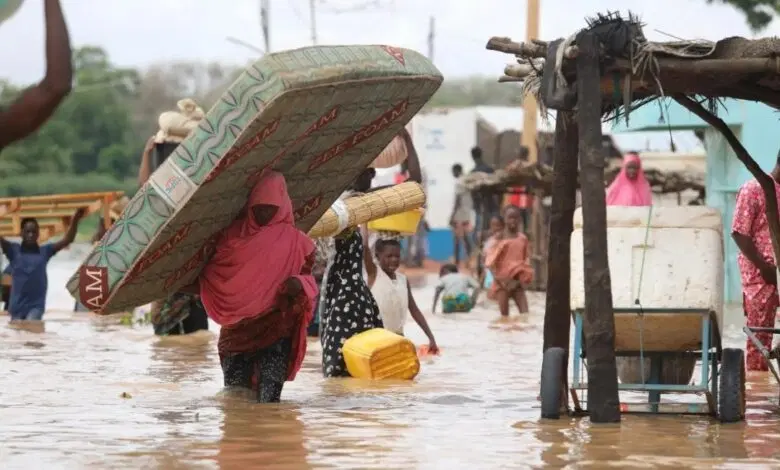
The consequences are visible and costly. Blocked drainage systems, often stuffed with single-use sachets, PET bottles and nylon shopping bags, worsen flooding during heavy rains. Beaches along the Atlantic are littered with debris, while plastic waste finds its way into lagoons and waterways, threatening marine life and fishing livelihoods while raising public health concerns.
Governor Babajide Sanwo-Olu introduced a ban on certain single-use plastics. The Lagos State Waste Management Authority has also intensified enforcement and promoted recycling initiatives. Yet legislation alone will not solve this problem. Lagos must enforce extended producer responsibility, and incentivize alternatives to disposable packaging. Citizens must rethink consumption habits.
Plastic pollution is now an economic and public health emergency. If Lagos is to remain Nigeria’s commercial nerve centre, it must also become a model of environmental responsibility.
AT REED INITIATIVE, A LAGOS BASED SOCIAL VENTURE, WE ARE REDUCING flooding caused by nylon waste, while creating sustainable income for local reed basket makers, aligning environmental sustainability with economic empowerment through market demand.
OUR AMBITION IS TO make reusable reed baskets the primary shopping carrier across Mainland Lagos, Nigeria, and eventually nationwide, transforming a traditional craft into a scalable, climate-resilient economic movement.